
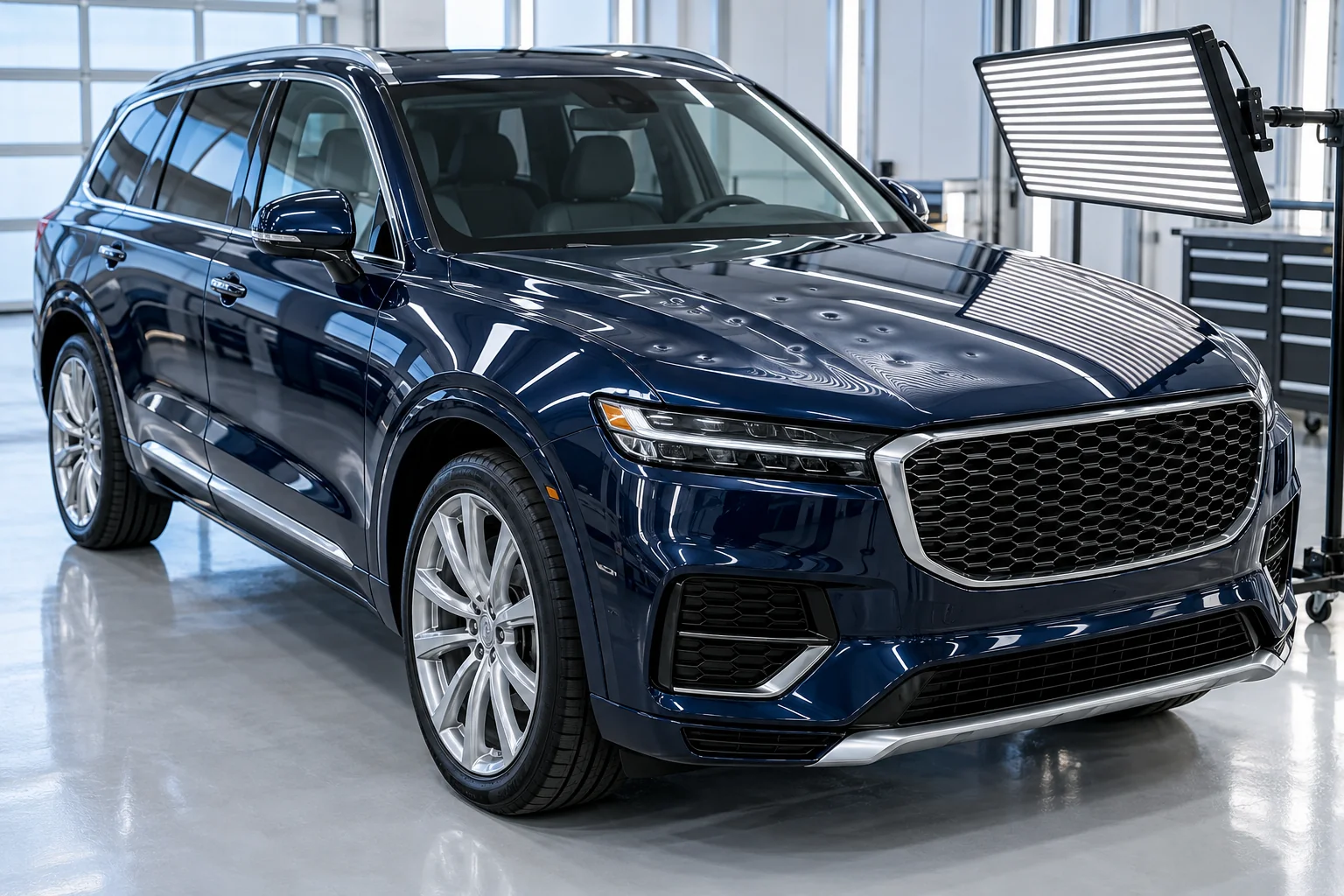
Make the vehicle details useful
Include the year, make, model and body style rather than describing the vehicle only as a luxury car or a truck. Note visible damage on the hood, roof, upper sides and tailgate or trunk. Tell the repairer about known previous paintwork, aftermarket accessories and existing damage. You do not need to publish a VIN, license plate or policy number to begin a request. Sensitive information can be discussed privately with the provider if required later.
Discuss access and repair expectations
For taller SUVs and trucks, avoid climbing or unsafe roof inspections to complete a form. Photograph what you can safely see and state which areas remain unknown. Ask the provider how it evaluates the vehicle and what vehicle-specific repair considerations apply. Describe your expectations for panel condition, finish and documentation. A premium vehicle does not make any particular method automatically suitable; the actual damage and vehicle construction need professional review.
Protect the handoff
Ask who is responsible for the vehicle during inspection, repair and collection, and how progress updates are shared. Discuss pickup, transport and alternate transportation only if the provider offers them; confirm the terms directly. For leased or financed vehicles, bring relevant repair requirements to the discussion. Keep damage-related repair work distinct from elective cosmetic improvements when comparing proposals. No manufacturer approval, brand affiliation or shop certification is implied by this guide.
Reviewed October 10, 2026. Planning information only; an independent repairer must evaluate your vehicle. This resource does not determine insurance coverage or provide a repair estimate.